Stand-Up Pouch vs Flat Bottom Pouch: Which Is Right for Your Product?
Both are premium flexible packaging formats, but they serve very different products and price points. Here's the definitive comparison for D2C and FMCG brands.
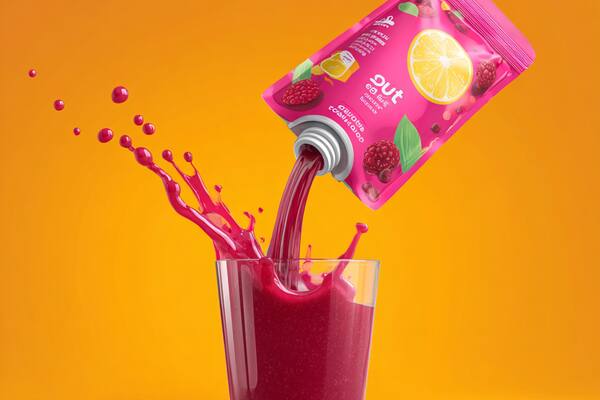
If you're choosing between a stand-up pouch and a flat bottom pouch for a new product launch, you're making one of the most consequential packaging decisions in your brand's early life. The right choice affects shelf presence, cost, consumer perception, and filling logistics. Here's everything you need to know.
The Quick Summary
- →Stand-up pouch (SUP): Gusseted base, freestanding, cost-effective, 5,000+ unit MOQ. Best for snacks, spices, coffee, pet food.
- →Flat bottom pouch (FBP): Rigid-looking flat base, premium shelf presence, stable upright display, 2,000+ unit MOQ. Best for specialty coffee, supplements, premium foods.
Structure and Format
Stand-Up Pouch
The classic stand-up pouch has a W-shaped bottom gusset that expands when the pouch is filled, allowing it to stand on shelves. It's the workhorse of the flexible packaging world — used for everything from ₹50 namkeen to ₹500 protein supplements. The print area is large, the structure is lightweight, and filling machines are universally compatible with this format.
Flat Bottom Pouch
The flat bottom (also called a box pouch or K-seal pouch) has a fully flat rectangular base — like a paper bag. Filled and sealed, it looks almost like a rigid box. This gives it outstanding shelf presence and makes it the choice of premium brands who want their packaging to stand out in a cluttered retail shelf. It's the default format for premium specialty coffee in India and globally.
Side-by-Side Comparison
- →Unit cost: SUP starts at ₹4.50–18/unit | FBP starts at ₹9–22/unit
- →MOQ: SUP min 1,000–5,000 units | FBP min 2,000–3,000 units
- →Shelf stability: SUP is moderate (can lean) | FBP is excellent (fully upright)
- →Filling: SUP works on most automated lines | FBP needs specific tooling
- →Print area: SUP has a large front/back panel | FBP has front, back, AND side panels
- →Perceived premium: SUP is mainstream | FBP reads as premium/artisan
- →Best for: SUP for volume products | FBP for premium D2C, gifting, specialty
When to Choose Stand-Up Pouch
Choose a stand-up pouch when: (a) you're launching at scale and cost per unit matters significantly, (b) your product has high fill weights (>200g) where the format is structurally appropriate, (c) you're filling on an automated VFFS or HFFS line, or (d) you're in a category (snacks, staples, spices) where stand-ups are the category norm and differentiation comes from print and design rather than format.
When to Choose Flat Bottom Pouch
Choose a flat bottom pouch when: (a) your brand positioning is premium or artisan and your price point justifies the format premium, (b) you're launching specialty coffee, protein/supplement powder, or a gift product, (c) you want maximum shelf presence in modern trade or on Amazon where images drive conversion, or (d) you want the 5 printable panels to tell a fuller brand story.
Packworkz Tip
If you're unsure, compare both structures with the Packworkz packaging sample kit before committing to production. It includes physical formats and material swatches; custom branded prototypes can be scoped separately.
Material Options for Both Formats
Both formats are available in the same material combinations:
- →BOPP/PE: Most economical, good barrier, suitable for dry goods
- →PET/AL/PE (MLP): Best barrier, ideal for moisture/oxygen-sensitive products (coffee, spices, protein)
- →Kraft paper/PE: Eco-friendly appearance, suitable for moderate barrier requirements
- →Clear BOPP: See-through for products where visual appeal matters
For shelf life-critical products (coffee, supplements), always use PET/AL/PE with a degassing valve for stand-up pouches or a zipper closure for flat bottoms. Packworkz's product team can help you spec the right barrier for your product's shelf life requirements.
Keywords