Food Packaging7 min read· August 2026
Best Packaging for Coffee Beans
How to choose a coffee pouch around aroma protection, degassing, resealability and roast-to-order operations.
How to choose a coffee pouch around aroma protection, degassing, resealability and roast-to-order operations.
The short answer
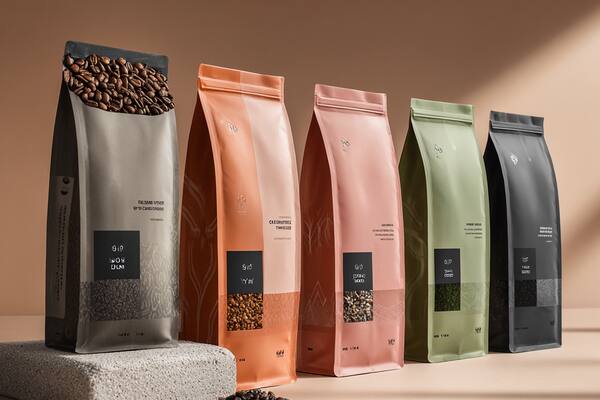
Whole-bean coffee commonly needs a high-barrier pouch with dependable seals and, for freshly roasted coffee, a correctly specified one-way degassing valve. Stand-up and flat-bottom formats are both viable; the choice is operational and commercial, not merely visual.
What drives the decision
- →Roast date and residual gas affect valve need and packing timing.
- →Oxygen, moisture, light and aroma barrier affect freshness.
- →Pack size and retail channel influence structure and shelf stability.
- →Zipper quality matters after the first opening.
A better buying approach
- →Run a filled-pack shelf-life trial with the intended laminate.
- →Locate the valve for reliable venting and filling.
- →Avoid clear windows unless the barrier trade-off is acceptable.
- →Use flat-bottom pouches when shelf presence and stability justify the premium.
Before you place the order
- 1Define bean or ground coffee.
- 2Set target shelf life.
- 3Choose pack size and valve requirement.
- 4Test seal integrity after filling.
- 5Validate aroma and oxygen performance.
Important
A premium-looking pouch cannot rescue an unsuitable barrier. Specify the coffee, filling process and shelf-life target before artwork.
Keywords
coffee packaging Indiacoffee bean pouchdegassing valve pouch