Manufacturing6 min read· October 2026
Private Label vs Contract Manufacturing vs White Label: Which Fits Your Brand?
The real differences in recipe ownership, MOQ, cost and speed to market — and how to choose the right model for your first product.
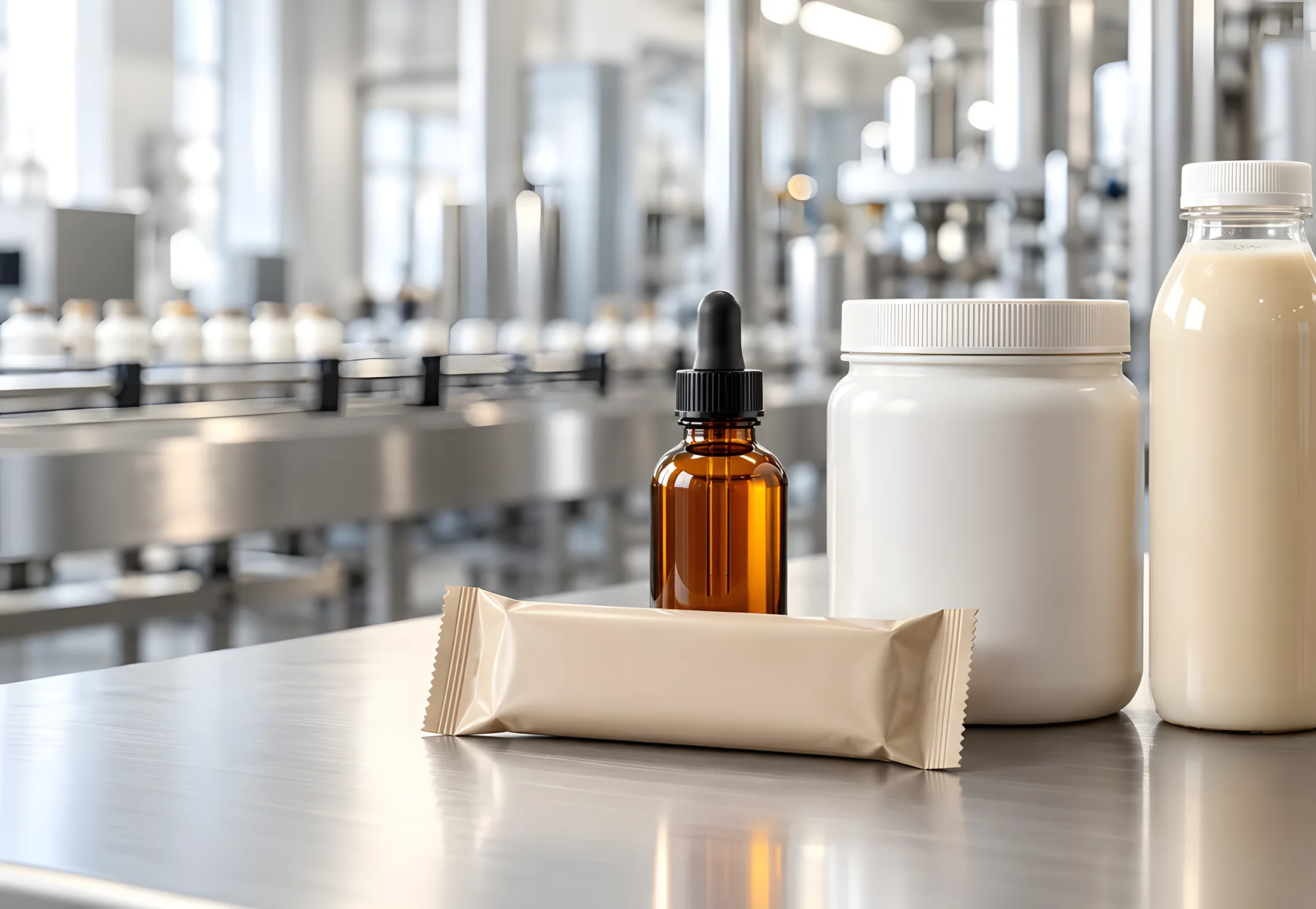
Factories use these terms loosely, so it pays to pin down what you are actually buying. The difference that matters most is who owns the recipe, because it decides how easily you can switch factories later.
The short answer
- →White label: the factory's existing product, unchanged, with your label. Fastest and lowest MOQ; least differentiated.
- →Private label: the factory's base formulation adjusted to your brief (flavour, fragrance, actives) and made for you. Moderate MOQ and speed.
- →Contract manufacturing: your own formulation made to your specification. Highest control and differentiation; usually the highest MOQ and longest set-up.
How to choose
- →Testing a category or channel? Start white label or private label and learn what sells.
- →Competing on a unique formula or claim? Contract manufacturing protects the product you are building a brand on.
- →Short on cash? Lower MOQs on white and private label reduce stock risk.
- →Planning to switch factories later? Make sure the recipe and specifications are yours in writing.
Questions to ask any factory
- 1Who owns the formulation and can I take it to another manufacturer?
- 2What is the MOQ per SKU and per flavour or variant?
- 3Which licences cover my product category at this site?
- 4Who buys the packaging, and can I supply my own?
- 5What shelf-life and stability data will you provide?
Packaging note
Whichever model you choose, packaging is often the bottleneck. Packworkz supplies pouches, rollstock, jars, bottles, tubes, cartons and labels straight to your manufacturer's line.
Keywords
private label vs contract manufacturingwhite label manufacturing Indiaprivate label meaningcontract manufacturing meaning
Put this into practice
Packaging by product